

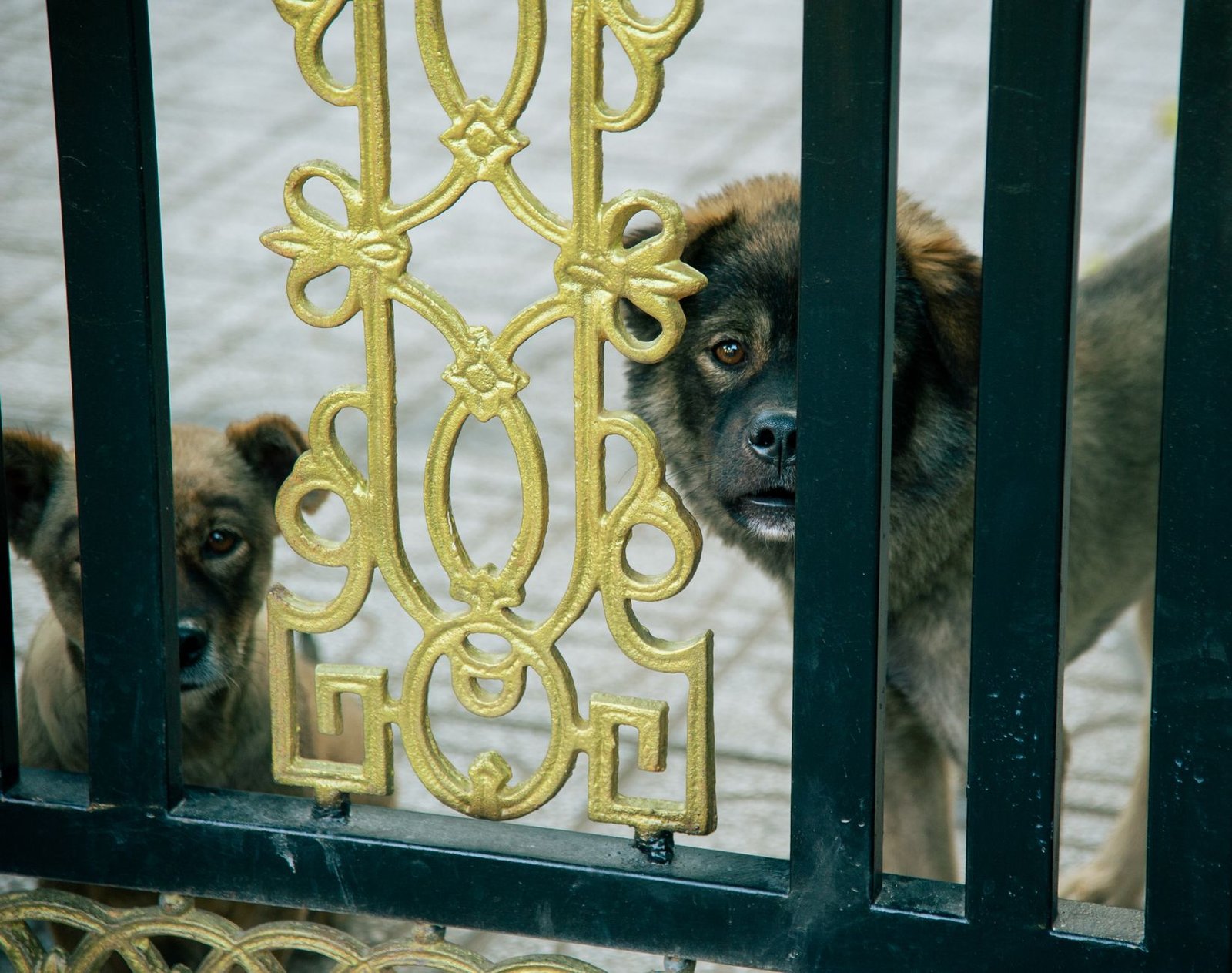
A dog who stiffens or growls when someone approaches their food is doing something completely normal for a dog and deeply alarming for an owner. The common response, taking the bowl away to show who is in charge, is one of the reliable ways to make it worse, and understanding why changes the whole approach.
What guarding actually is
Resource guarding is an animal protecting something valuable from being taken. It is not a bid for authority and it is not a character flaw. Many dogs do it to some degree, over food, a particular chew, a stolen sock, a resting place, or occasionally a person.
The growl is the useful part. It is a warning, delivered at a distance, in place of anything worse. A dog who growls is a dog who is communicating rather than acting, and that is worth protecting.
Which leads to the single most important thing here: do not punish the growl. A dog who is scolded for growling often learns to skip it, and the next thing you get may be a bite with no warning at all. Suppressing the signal does not remove the feeling underneath it.
Why taking the bowl away backfires
The old advice was to handle the food, remove the bowl mid-meal, and generally establish that you could. From the dog’s side, that teaches exactly one lesson: when a person comes near my food, the food goes away.
A dog who has learned that gets tenser about approaches, not calmer. So the method that was supposed to prove nothing bad would happen has demonstrated the opposite, repeatedly.
The reverse works far better. Make an approaching person the thing that predicts something better arriving.
What to do instead
- Start further away than the dog cares about. Walk past at a distance where they keep eating comfortably, drop something genuinely good into the bowl from there, and keep walking. Do not stop, do not reach.
- Close the distance over weeks, not days. The measure is whether the dog looks up hopefully as you approach rather than tensing. That look is the goal.
- Feed somewhere they will not be disturbed while you work on it: a separate room, door closed, nobody walking past.
- Trade, never take. If they have something they should not, swap it for something better rather than removing it. A dog who learns that giving things up pays will bring you the sock.
- Teach a drop and a leave as ordinary games, with low-value items, long before you need them with a high-value one.
- Do not reach into the bowl to prove a point. There is nothing to prove, and nothing to gain.
Children, and where the line is
This is where guarding stops being a training project and becomes a household safety matter. Children move unpredictably, approach head-on, and do not read the early signals. Guarding plus a child is the combination behind a large share of bites to familiar children.
The arrangement, not the instruction: the dog eats behind a closed door, and nobody goes in. Chews are given in the same place. Children are taught that the dog eating is off limits entirely, and adults enforce it rather than relying on the child remembering.
If there are children in the house and any guarding that involves stiffening, a lifted lip, a growl or a snap, raise it with us sooner rather than later. This is one of the few behaviour topics where waiting carries real risk. And if your dog has already snapped, lunged or made contact with anyone, do not run the steps above at home. Book an assessment first.
Why a physical check comes first
Guarding that is new in an adult dog, or that has clearly worsened, is worth an examination before anything else. A dog who is uncomfortable has less patience with being crowded, and a dog whose eyesight or hearing has changed is startled more easily by an approach they did not track.
Our medical services cover that assessment, and it genuinely starts by ruling out the physical. A wellness visit is the easiest place to raise it before it becomes entrenched, and for dogs whose guarding is severe we would rather refer you to a veterinary behaviourist early than leave you working through it alone. Our nutrition counselling is worth a mention too, because a dog who is genuinely hungry on the amount they are getting has a reason to be anxious about the bowl.
Our hours
At our Point Grey clinic we are open Monday to Saturday from 9:00 am to 7:00 pm and Sunday from 9:00 am to 5:00 pm, which covers most evenings and both weekend days.
Guarding is a booked conversation and a worthwhile one. If anyone in the household has been bitten, the person needs medical attention first, and the dog should be assessed afterwards rather than left. If something urgent happens when we are closed, contact VCA Canada Vancouver Animal Emergency and Referral Centre at (604) 879-3737, 2303 Alberta Street.
Common questions
Should I hand-feed to fix this?
It can be part of a plan, but not as a test of whether they will let you. Done as a confrontation it makes things worse.
My puppy does it. Will they grow out of it?
Not reliably, and puppyhood is by far the easiest time to work on it. Raise it now rather than waiting.
Is it worse in rescue dogs?
It is common in dogs who have had to compete for food, but plenty of dogs raised in comfortable homes guard too. History explains it; it does not define it.
What if they guard a person rather than food?
Same principle, different resource, and worth a proper conversation because the management looks different.
Do cats guard?
Yes, usually more quietly: blocking a doorway, sitting beside a bowl, or simply making another cat wait. Easy to miss and worth noticing.
Speak to the team at University Veterinary Clinic
Feed behind a closed door starting tonight, and stop taking the bowl away. If there are children in the house, raise this at the next visit rather than managing it alone.
Published by the team at University Veterinary Clinic.
This article is for general educational purposes only and is not a substitute for an in-person veterinary examination or advice about your individual pet. If you have an urgent concern about your pet, contact University Veterinary Clinic or your nearest emergency veterinary hospital right away.
University Veterinary Clinic
4416 West 10th Avenue, Unit 103, Vancouver, BC V6R 2H9 (Point Grey)
Phone: (604) 224-7743
Hours: Monday to Saturday 9:00 am to 7:00 pm; Sunday 9:00 am to 5:00 pm