

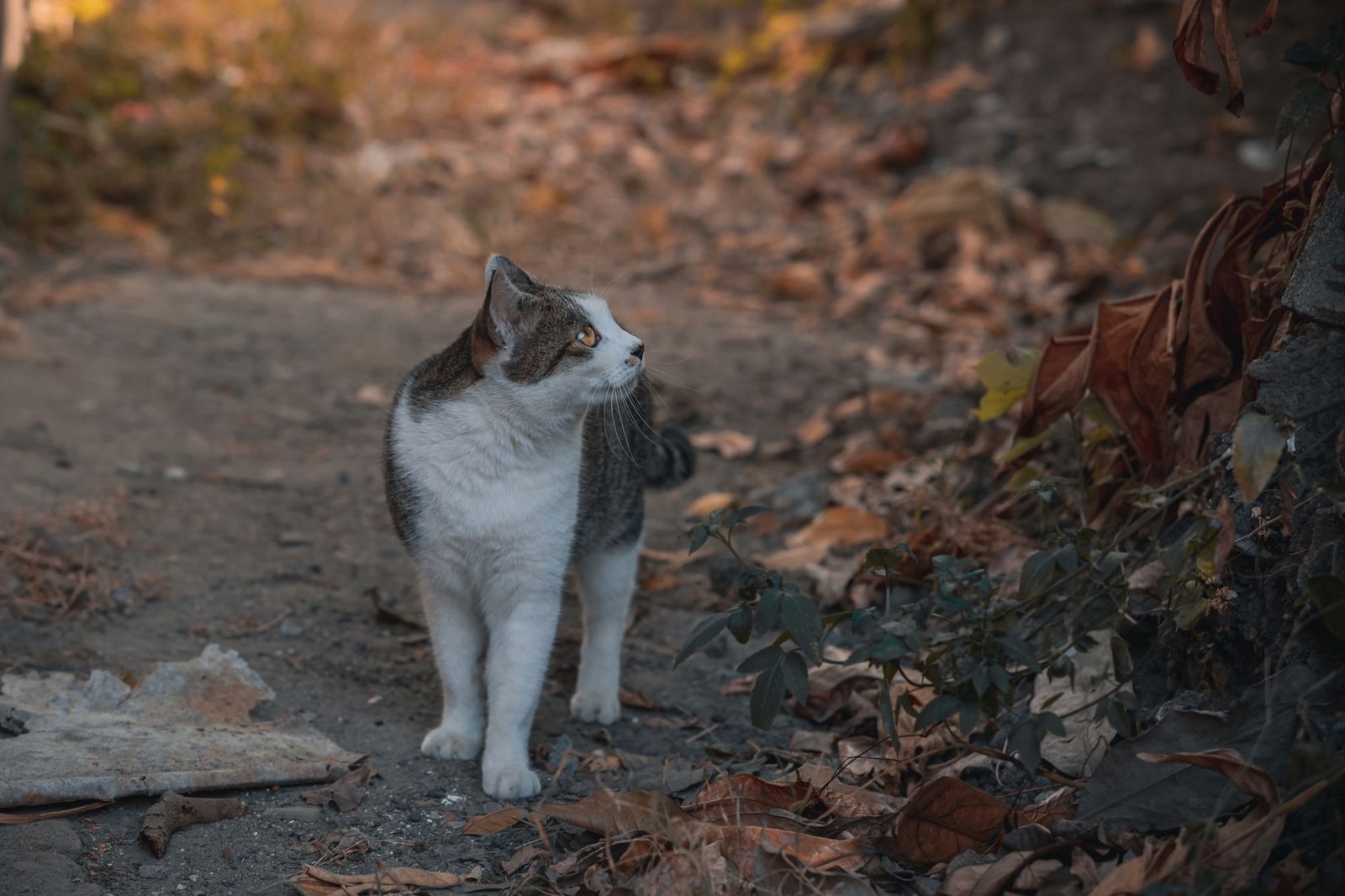
Joint pain is very common in older cats, yet most never limp or cry out. The signs are quieter: skipping the jump onto a favourite chair, grooming less along the back, or missing the litter box. As the rain keeps cats indoors this autumn, those changes are easier to notice, and many are worth a check-up.
Why cats are so good at hiding it
Cats are both predators and prey, and an animal that looks weak is an easy target. So cats rarely show pain in the obvious ways people expect. A dog with a sore hip limps on a walk. A cat with sore hips simply stops doing the things that hurt, and does it so gradually that the change looks like ordinary aging.
That is why so many owners say “she is just getting older” about a cat who is actually uncomfortable. Getting older is not a reason to be sore, and a lot can be done once we know what is going on.
Autumn helps in one way. Outdoor cats spend more of the day inside once the wet weather arrives, and indoor cats settle into the same few spots. You get more time to watch how your cat actually moves.
The quiet signs to look for
Jumping and climbing
- No longer jumping onto the bed, sofa, windowsill or counter they used to use
- Hesitating before a jump, as if measuring it, or needing two attempts
- Using a chair or box as a step instead of jumping straight up
- Coming down carefully, sliding off rather than leaping
- Taking stairs one at a time, or stopping at the bottom
Grooming and coat
- A scruffy or matted coat over the lower back, hips and tail base, which are the hardest places to reach
- Overgrown claws, because a cat in pain scratches less
- Occasionally the opposite: licking one joint repeatedly
Litter box habits
Climbing over a high box edge hurts. A cat who starts going just outside the box, on a nearby mat, or who perches on the rim instead of stepping in, may be telling you the box has become hard to use. House soiling in an older cat is worth investigating rather than scolding, and joints are one of the common reasons behind it.
Mood and routine
- Sleeping more, or in lower and warmer places than before
- Less interest in play, or playing for a shorter time
- Grumpiness when stroked along the back or picked up
- Hiding more, or spending less time with the family
- Stiffness when first getting up that eases after a few steps
No single sign proves your cat is sore. A pattern of several is a good reason to book a visit.
Changes at home that make a real difference
Small adjustments can make a stiff cat’s day far more comfortable, and most cost very little.
- Add steps. A sturdy footstool, a pet step or a ramp up to the bed, sofa or favourite window perch means your cat does not have to choose between a painful jump and giving up the spot.
- Lower the litter box entry. A large storage tub with one side cut down to a few centimetres works well. If your home has stairs, put a box on each floor.
- Move food and water down. If bowls sit on a counter to keep them away from the dog, find another way, such as a baby gate the cat can walk through.
- Offer warm, soft beds at floor level, away from drafts, especially as the damp autumn weather sets in.
- Lay down rugs or mats on slippery floors so your cat has grip when getting up.
- Help with grooming. A soft brush along the back and hips, done gently and briefly, keeps the coat from matting where your cat can no longer reach.
- Keep claws trimmed, since they overgrow when a cat scratches less.
- Keep play gentle and short, at floor level, with toys that move along the ground rather than up high.
Why weight matters for sore joints
Extra weight puts more load on sore joints and makes every jump harder. Even a small, gradual weight loss can help a stiff cat move more comfortably. Do not simply cut portions for an older cat, though, because rapid weight loss is dangerous for cats. Our nutrition counselling team can work out a safe target and pace for yours.
The opposite also matters. An older cat who is losing weight while eating normally needs a check for other reasons, and that should not be put down to age either.
What a check-up involves
Many cats hide stiffness in a clinic just as well as they do at home, so what you have noticed is valuable information. Before your visit, try filming your cat on your phone as they climb stairs, jump up or down, or walk across the room. A thirty-second clip often tells us more than the exam table.
We will watch how your cat moves, feel each joint and the spine, and talk through what has changed. Our wellness program visits are a good place to start for a cat over about ten, and if we need a closer look, pet diagnostics such as X-rays can show arthritic changes in the bones around the joints and rule out other problems. From there, we can talk through the options that suit your cat.
One firm rule in the meantime: never give a cat anything from your own bathroom cabinet. Several common products made for people are highly toxic to cats, even in small amounts. If your cat has already swallowed or been given anything like that, call us immediately. Outside our hours, an emergency veterinary hospital is the place to go.
Joint comfort is one part of caring for an older pet, and our guide to senior wellness for dogs and cats in Point Grey covers the rest, from nutrition to dental health.
Frequently asked questions
My cat never limps. Could she still have sore joints?
Yes, and that is the usual picture. Most cats with stiff joints never limp, because they avoid the movements that hurt instead. Changes in jumping, grooming and litter box habits are much more common clues.
At what age should I start watching for this?
Changes can begin in middle age, but they become common in cats over about ten. That is also a good age to move to twice-yearly check-ups, so small changes are caught early.
Does cold, wet weather make it worse?
There is no firm evidence either way, but many owners feel their cat is stiffer in the colder, damper months. A warm bed at floor level and easy access to favourite spots help, and autumn is a good time to set them up.
Is it just old age, or should I book a visit?
If you have noticed several of the signs above, book a visit. Age brings changes, but discomfort should not be accepted as a normal part of aging, and there is often a lot we can do.
My cat has started going outside the litter box. Is that behavioural?
Assume there is a physical reason until we have checked. Sore joints, bladder problems and other conditions can all look the same from the outside. A low-sided box is a sensible change in the meantime.
Can I give my cat something for the pain myself?
Please do not. Products that are safe for people, and even some made for dogs, can be seriously harmful to cats. Talk to us first, and we can examine your cat and advise you.
Speak to the team at University Veterinary Clinic
If your cat has stopped jumping, grooming or using the litter box the way they used to, phone us and book a visit.
Published by the team at University Veterinary Clinic.
This article is for general educational purposes only and is not a substitute for an in-person veterinary examination or advice about your individual pet. If you have an urgent concern about your pet, contact University Veterinary Clinic or your nearest emergency veterinary hospital right away.
University Veterinary Clinic
4416 W 10th Ave #103, Vancouver, BC V6R 2H9
Phone: (604) 224-7743
Hours: Monday to Saturday 9:00 AM to 7:00 PM; Sunday 9:00 AM to 5:00 PM