
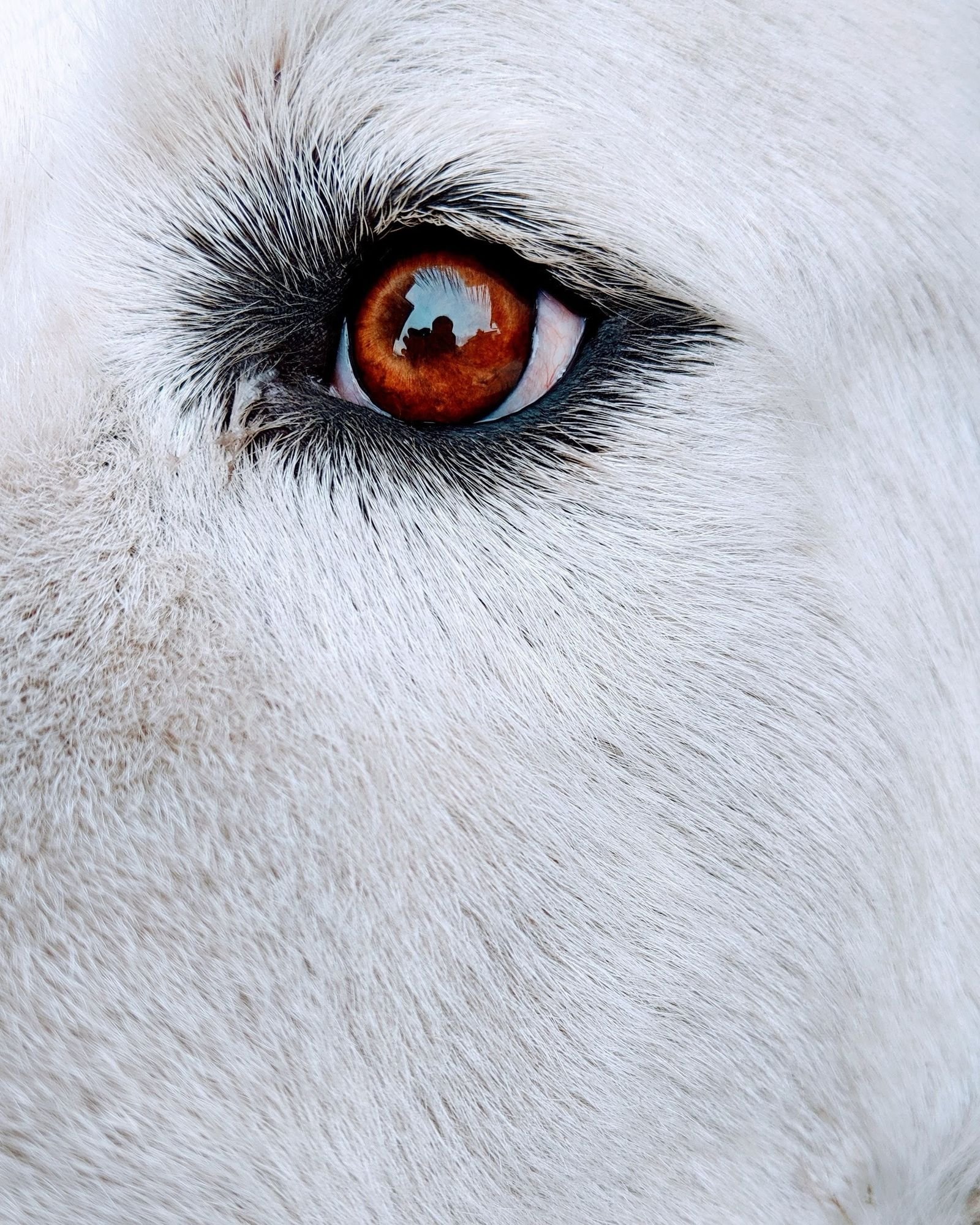
A cloudy or bluish eye, bumping into furniture, or hesitation in dim light can signal cataracts or other vision changes in dogs and cats. Some causes are treatable, and cataracts can sometimes be removed with surgery. An exam pinpoints the cause. University Veterinary Clinic near UBC can assess your pet’s eyes and vision.
How pets show vision loss
Pets adapt remarkably well to fading sight, often relying on memory, smell, and hearing, so vision loss can be surprisingly easy to miss at first. Clues include bumping into furniture or walls, hesitation on stairs or in unfamiliar places, reluctance to move in dim light, startling easily, a change in the appearance of the eyes, and sticking closer to you than usual. Because pets compensate so well, a problem in one eye especially can go unnoticed until it is advanced.
Cataracts versus normal aging
Not every cloudy eye is a cataract. Many older pets develop a bluish-grey haze in the lens called nuclear sclerosis, a normal aging change that does not significantly affect vision and needs no treatment. A true cataract, by contrast, is an opacity in the lens that blocks light and can cause partial or complete blindness. The two can look similar to an owner, which is exactly why a veterinary exam is needed to tell them apart and to check the rest of the eye.
What causes cataracts
Cataracts have several causes. Some are inherited and appear in certain breeds, sometimes at a young age, while others develop with age. One of the most important causes is diabetes, since many diabetic dogs develop cataracts, sometimes rapidly, which is one reason a new cloudy eye always deserves a full workup. Injury, inflammation inside the eye, and other conditions can also lead to cataracts. Identifying the underlying cause matters, because it affects both treatment and your pet’s overall health.
Other causes of vision loss
Cataracts are far from the only reason a pet loses vision. Glaucoma, a painful rise in pressure within the eye, can threaten sight quickly and is an emergency. Progressive retinal degeneration gradually destroys the light-sensing retina, and high blood pressure, often linked to kidney disease or an overactive thyroid in cats, can cause sudden blindness from retinal detachment. Because these causes are so different and some are urgent, any change in your pet’s eyes or vision should be examined promptly.
Why a veterinary exam matters
An eye exam can determine whether your pet has a harmless aging change or a condition that threatens sight or signals a wider health problem. Our medical services and pet diagnostics teams examine the structures of the eye, measure the pressure inside it, and may check blood pressure or run bloodwork, since vision changes can be the first visible sign of an internal condition like diabetes or high blood pressure. Getting to the cause is what allows the right treatment and protects both the eyes and the rest of your pet.
Treatment and helping a low-vision pet
Treatment depends entirely on the cause. Cataracts themselves are treated surgically, and your veterinarian can discuss whether referral for cataract surgery is appropriate for your pet; our surgical services team can advise on the path. Conditions like glaucoma and high blood pressure are managed medically, and treating an underlying disease such as diabetes is part of the picture. If your pet does lose vision, the good news is that most adapt very well with support: keep furniture and routines consistent, use scent and sound cues, block off hazards like stairs, and introduce changes slowly. Regular checkups through our wellness program help catch eye problems early.
Frequently asked questions
Is a cloudy eye always a cataract?
No. Many older pets have a normal aging haze called nuclear sclerosis that does not greatly affect vision. A cataract is different and can cause blindness. Only an exam can reliably tell the two apart.
Can cataracts in pets be fixed?
Cataracts are treated with surgery to remove the cloudy lens, and many pets regain useful vision. Whether surgery is right depends on your pet, and your veterinarian can discuss referral and what is involved.
Can my pet live well if they go blind?
Yes. Most pets adapt remarkably well to vision loss using smell and hearing, especially with a consistent environment and a few safety adjustments. Many blind pets continue to live happy, comfortable lives.
Why are diabetic dogs prone to cataracts?
High blood sugar changes the lens and frequently leads to cataracts in dogs, sometimes quite quickly. This is one reason a new cloudy eye warrants a full exam and bloodwork to check for diabetes.
Is sudden vision loss an emergency?
Yes. Sudden blindness, a suddenly cloudy or painful eye, or a red, bulging eye can signal glaucoma, retinal detachment, or other urgent problems and should be examined immediately to protect sight.
How can I help my visually impaired pet at home?
Keep furniture and routines consistent, use voice and scent cues, block hazards like stairs and pools, and introduce changes gradually. These simple steps help a low-vision pet navigate confidently and safely.
Can vision loss in pets be prevented?
Not always, but managing conditions like diabetes and high blood pressure, and having any eye change checked promptly, protects vision where possible. Regular checkups help catch problems early, when more can often be done.
How do I know if my pet is losing vision?
Watch for bumping into things, hesitation in dim light or on stairs, startling easily, or sticking unusually close to you. Because pets compensate so well, especially with one good eye, even subtle changes are worth an exam.