
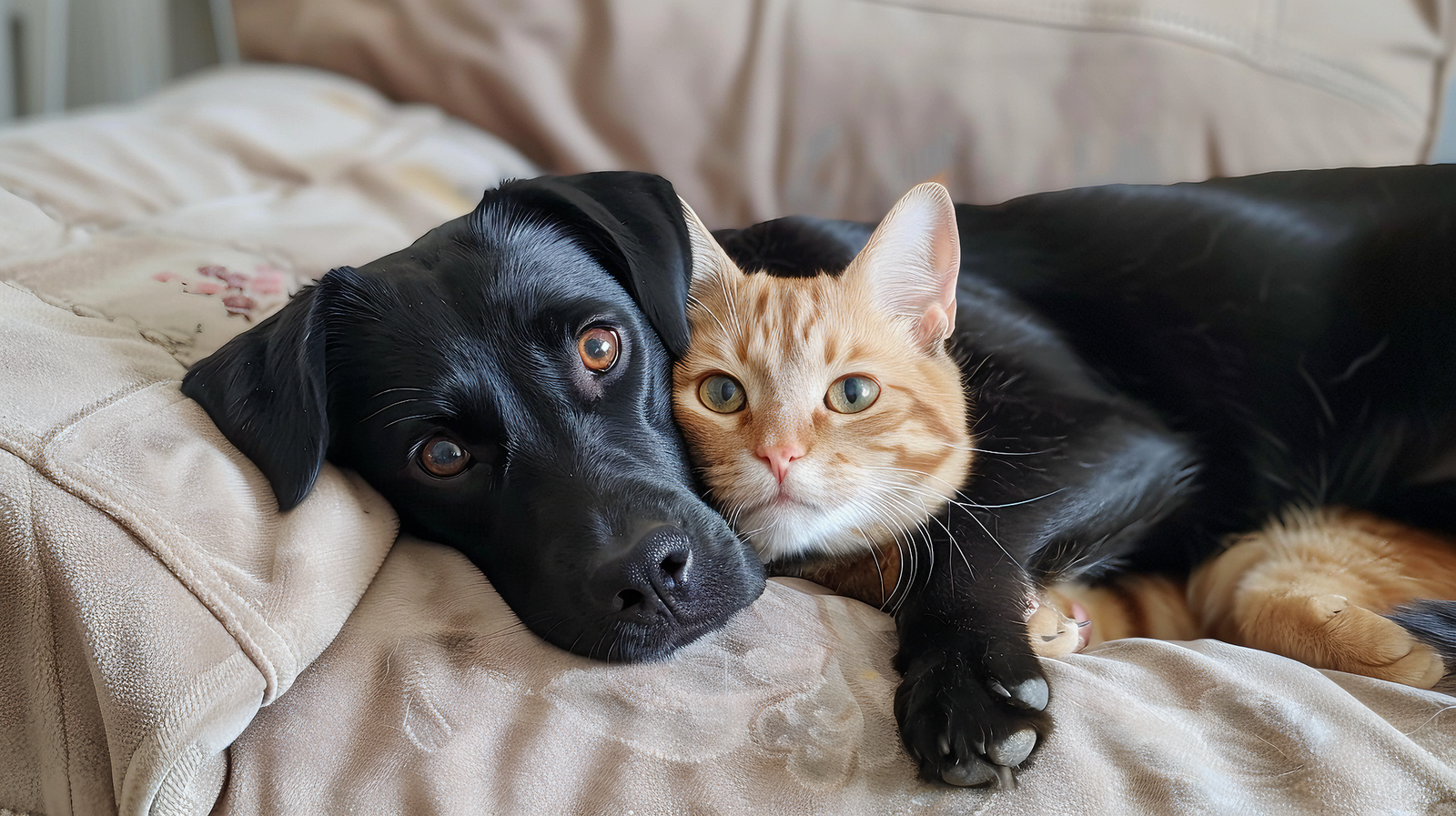
As the days grow longer and temperatures warm across Vancouver’s west side, spring is the perfect time to assess your dog or cat’s weight and overall fitness. Many pets gain a few extra pounds during the cooler months when outdoor activity decreases, and carrying excess weight can place unnecessary strain on joints, the heart, and other organs. A thoughtful approach to pet nutrition counselling in Point Grey helps your companion feel more comfortable, move more freely, and enjoy the trails and shoreline paths that make Point Grey and the UBC area such a wonderful place to live with pets. Whether your dog loves walks through Pacific Spirit Regional Park or your cat prefers supervised time in the garden along the quiet streets of West Point Grey, maintaining a healthy body condition supports a longer and more active life.
Recognizing Healthy Weight in Dogs and Cats
Understanding what a healthy weight looks like is the first step toward managing your pet’s body condition. For dogs, you should be able to feel their ribs without pressing hard, and they should have a visible waist when viewed from above. Cats in ideal condition have a slight tuck at the abdomen and ribs that are easy to feel beneath a thin layer of tissue. Breeds vary considerably, so what looks right for a Labrador Retriever is quite different from a Siamese cat or a French Bulldog.
Your veterinarian uses a body condition scoring system to assess whether your pet is underweight, at an ideal weight, or carrying excess pounds. This objective measurement, combined with your pet’s breed, age, and activity level, helps guide a customized plan. During a pet wellness assessments near UBC, your veterinarian can identify subtle weight changes that may not be obvious at home and recommend adjustments before they become larger concerns.
Pets living in the Point Grey, Dunbar, and Kerrisdale neighbourhoods may have different exercise opportunities than those in more urban settings. The proximity to Pacific Spirit Regional Park, Jericho Beach, and Spanish Banks means many dogs in this area enjoy regular off-leash activity, while indoor cats may need more structured enrichment to stay active. Understanding your pet’s daily activity helps your veterinarian set realistic weight goals that account for your specific living situation and routine.
Nutrition Adjustments and Feeding Strategies for Spring
Calorie needs can shift with the seasons. During spring and summer, many dogs become more active on longer walks along the trails of Pacific Spirit Regional Park and the shoreline paths near Spanish Banks, which may increase their caloric requirements slightly. Conversely, indoor cats may not experience the same seasonal activity boost and may need their portions adjusted to prevent gradual weight gain. The key is matching food intake to actual energy expenditure rather than following a single feeding guideline year-round.
Measuring food portions accurately is one of the simplest and most effective strategies for weight control. Many pet owners unknowingly overfeed by estimating rather than measuring each meal. Your veterinarian can calculate precise daily caloric targets and recommend specific feeding amounts during a pet nutrition counselling in Point Grey appointment. This personalized approach takes into account your pet’s current weight, target weight, metabolic rate, and any underlying health considerations.
Treats are another area where calories can add up quickly. A few small training rewards throughout the day may seem harmless, but for a small dog or cat, treats can represent a significant portion of total daily calories. Choosing low-calorie options, using pieces of your pet’s regular kibble as rewards, or substituting praise and play for food-based rewards are practical strategies that many Point Grey and UBC-area families find helpful. Puzzle feeders and slow-feed bowls are also valuable tools, as they extend mealtimes, encourage mental engagement, and prevent the rapid eating that can lead to digestive discomfort and persistent hunger signals.
Building a Safe Exercise Routine for Your Pet This Spring
Increasing physical activity is an important part of any weight management plan, but changes should be gradual. A dog that has been relatively inactive during winter should not jump straight into long hikes through Pacific Spirit Regional Park or extended runs along Jericho Beach. Start with shorter walks along W 10th Avenue or the flat paths near Spanish Banks and gradually increase duration and intensity over several weeks. This approach protects joints and muscles while allowing your pet’s cardiovascular fitness to improve steadily.
For cats, exercise looks different but is equally important. Interactive toys, feather wands, laser pointers used safely, and food puzzle feeders encourage movement and mental stimulation. Vertical spaces like cat trees and shelving give indoor cats opportunities to climb and jump, which supports muscle tone and healthy weight. If your cat has any mobility concerns, your veterinarian can suggest appropriate activities during a pet diagnostics in West Point Grey visit to assess joint health and overall condition.
University Veterinary Clinic, located at 4416 W 10th Ave in Point Grey, has been serving the community since 2022. Dr. Waheguru Bhullar, Dr. Parmod Ralh, and the care team are here to help you develop a weight management plan that fits your pet’s individual needs. The clinic is open seven days a week from 9 a.m. to 7 p.m., making it convenient for families in Point Grey, West Point Grey, Dunbar, Kerrisdale, and the UBC campus area. Contact us at (604) 224-7743 or visit universityvet.ca/contact-us/make-an-appointment to schedule a nutrition and weight assessment for your dog or cat this spring.
Frequently Asked Questions
Q: How do I know if my dog or cat is overweight?
A: Your veterinarian can assess your pet’s body condition using a standardized scoring system. At home, you should be able to feel your dog’s ribs with light pressure without pressing through a thick layer of padding, and your dog should have a visible waist when viewed from above. For cats, look for a slight abdominal tuck and ribs that are easy to feel beneath a thin layer of tissue.
Q: How much should I feed my pet for weight loss?
A: Caloric targets depend on your pet’s current weight, target weight, breed, and activity level. Your veterinarian at University Veterinary Clinic can calculate a specific daily calorie goal and recommend appropriate portion sizes. Avoid drastically reducing food without veterinary guidance, as this can lead to nutritional deficiencies.
Q: Are certain breeds more prone to weight gain?
A: Yes, some breeds are more likely to gain weight. Labrador Retrievers, Beagles, Dachshunds, and certain cat breeds such as British Shorthairs and domestic shorthairs tend to gain weight more easily. However, any dog or cat can become overweight if caloric intake exceeds energy expenditure.
Q: Can I exercise my overweight pet right away?
A: Start slowly and increase activity gradually. Overweight pets are at higher risk for joint strain and overheating. Short, gentle walks along the flat paths near Jericho Beach or Spanish Banks are a safe starting point. Your veterinarian can recommend an exercise plan that matches your pet’s current fitness level.
Q: How often should I weigh my pet during a weight management plan?
A: Monthly weigh-ins are helpful for tracking progress. Your veterinarian may recommend more frequent checks during the initial phase of a weight management plan. You are welcome to stop by University Veterinary Clinic on W 10th Avenue for a complimentary weigh-in any day of the week.
Help your pet reach and maintain a healthy weight this spring. Book a nutrition and wellness visit at University Veterinary Clinic. Call (604) 224-7743 or book an appointment online.
Published by the team at University Veterinary Clinic.
This article is for general educational purposes only and does not constitute veterinary advice. Always consult a licensed veterinarian before making decisions about your pet’s health. If you have concerns, contact University Veterinary Clinic at (604) 224-7743.