
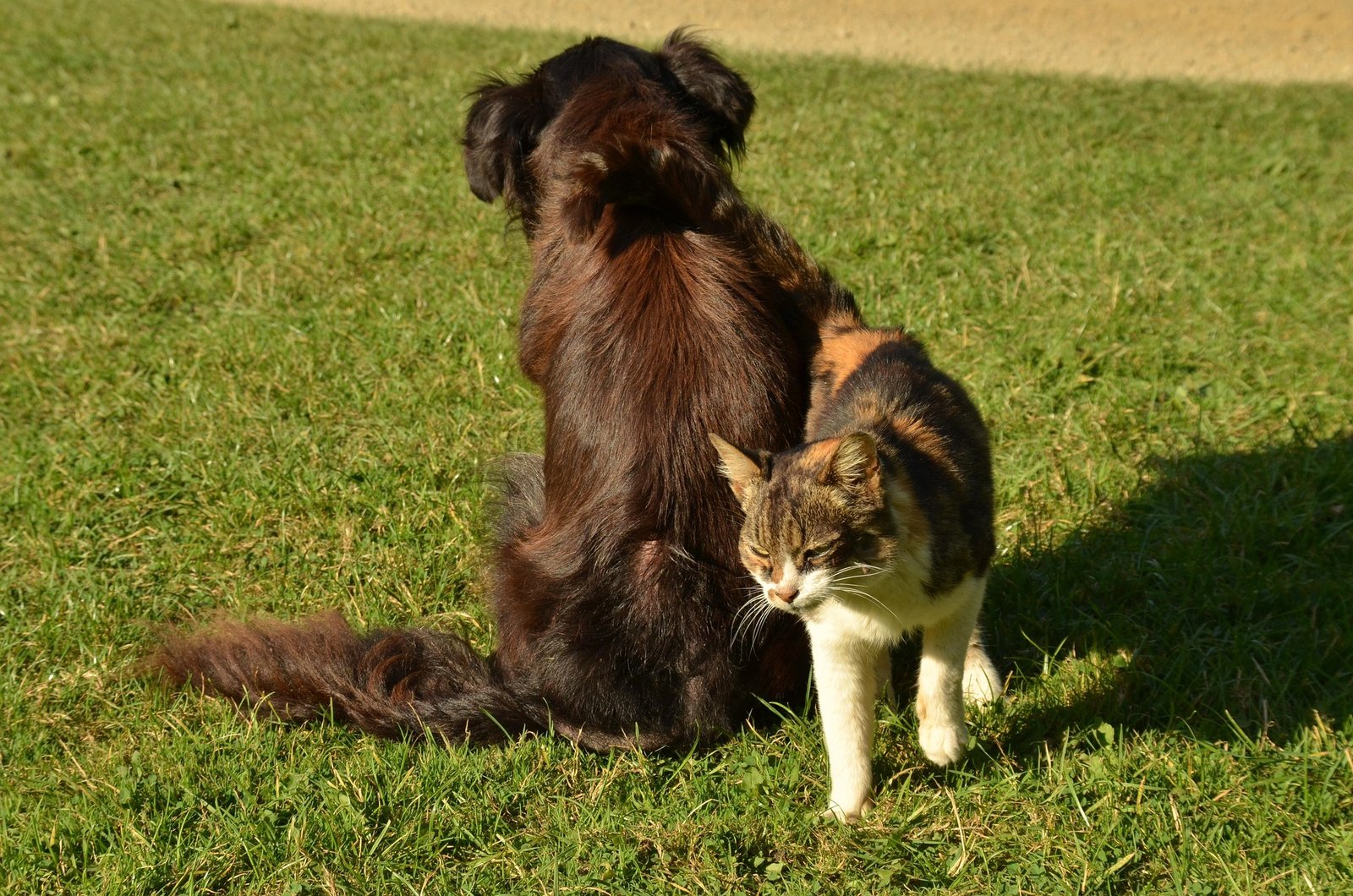
Bringing a puppy or kitten into your home is one of the most rewarding experiences a family can enjoy. Whether you live along W 10th Avenue, near the trails of Pacific Spirit Regional Park, or in the quiet residential streets of West Point Grey and Dunbar, having a plan for your new companion’s first twelve months makes all the difference. This puppy and kitten care in Point Grey guide covers the essential milestones, vaccinations, and wellness visits your young dog or cat will need during their first year. From the first veterinary visit to spay or neuter planning, understanding what to expect helps you give your pet the strongest possible start in the Point Grey and UBC community.
Wellness Visits and Vaccination Schedules for Puppies and Kittens
The first veterinary visit should happen within a few days of bringing your new puppy or kitten home. During this initial assessment, your veterinarian will check your pet’s weight, heart, lungs, eyes, ears, and overall condition. This baseline evaluation helps identify any concerns early and sets the foundation for a preventive care plan tailored to your pet’s breed, age, and lifestyle in the Point Grey neighbourhood.
Puppies typically receive a series of core vaccinations starting at six to eight weeks of age, with boosters every three to four weeks until they are about sixteen weeks old. Kittens follow a similar schedule, with vaccines for feline viral rhinotracheitis, calicivirus, and panleukopenia. Your veterinarian will also discuss rabies vaccination, which is required by law in British Columbia. A well-structured pet wellness programs near UBC ensures that each vaccination is delivered on time and that your growing pet stays on track for a healthy first year.
Between vaccination appointments, your veterinarian may recommend deworming and flea prevention. Vancouver’s mild coastal climate means parasites can be active for much of the year, and leptospirosis is a year-round concern in British Columbia. Year-round prevention is a wise choice for dogs and cats living near the wooded trails of Pacific Spirit Regional Park, Spanish Banks, and the green spaces along Jericho Beach. Slug bait, commonly used in gardens throughout Point Grey and Kerrisdale, is another hazard to be aware of, as metaldehyde poisoning can be serious in curious puppies.
Nutrition, Socialization, and Behaviour Foundations
Proper nutrition during the first year fuels your pet’s rapid growth and development. Puppies and kittens have different caloric and nutrient requirements than adult animals, and choosing the right food matters. Your veterinarian can provide pet nutrition counselling in Point Grey specific to your pet’s breed, size, and activity level. Large-breed puppies, for example, benefit from controlled growth formulas that support joint health, while kittens need higher protein levels to match their energetic development.
Socialization is equally important during the first few months. Puppies have a critical socialization window between three and fourteen weeks of age. Introducing them to a variety of people, sounds, surfaces, and other vaccinated animals helps build confidence and reduces the likelihood of fear-based behaviour later in life. Many Point Grey and UBC-area families enjoy socializing their puppies along the quieter residential streets near W 10th Avenue or in controlled settings at home before vaccinations are complete. Once your puppy’s core vaccines are finished, the trails around Pacific Spirit Regional Park and the shoreline paths near Jericho Beach and Spanish Banks offer wonderful opportunities for continued socialization and confidence building.
Kittens benefit from gentle handling, interactive play, and exposure to household sounds during their early weeks. Providing scratching posts, climbing structures, and puzzle feeders helps channel their natural curiosity and energy into positive habits. Consistent routines for feeding, play, and rest create a sense of security for both puppies and kittens settling into their new homes. Coyote encounters are a year-round reality in the Point Grey and Pacific Spirit Park area, so keeping cats indoors and supervising small puppies during outdoor time is an important safety consideration for families in this neighbourhood.
Spay, Neuter, and Long-Term Preventive Care Planning
Most veterinarians recommend spaying or neutering puppies and kittens between four and six months of age, though the ideal timing can vary depending on breed and individual health factors. This procedure reduces the risk of certain reproductive health concerns and helps manage the pet population in Vancouver and the broader Lower Mainland region.
Before any surgical procedure, your veterinarian will conduct a thorough pre-surgical assessment, including bloodwork and a physical examination, to confirm your pet is healthy enough for anaesthesia. Modern surgical care uses advanced monitoring throughout the procedure to keep your pet safe and comfortable. Recovery from spay or neuter is typically straightforward, with most puppies and kittens returning to their usual energy levels within a week. A pet dental services in Point Grey assessment is often included as part of your pet’s first-year care plan, establishing a baseline for ongoing oral health.
As your pet approaches their first birthday, your veterinarian will transition them from a puppy or kitten care plan to an adult preventive care schedule. This includes annual wellness examinations, dental assessments, and updated vaccination boosters. University Veterinary Clinic, located at 4416 W 10th Ave in Point Grey, has been serving the community since 2022. Dr. Waheguru Bhullar, Dr. Parmod Ralh, and the team are available seven days a week from 9 a.m. to 7 p.m. to support every stage of your pet’s life. Call (604) 224-7743 or visit universityvet.ca/contact-us/make-an-appointment to schedule your new pet’s first visit. Families in Point Grey, West Point Grey, Dunbar, Kerrisdale, and the UBC campus area are welcome.
Frequently Asked Questions
Q: When should I bring my new puppy or kitten for their first veterinary visit?
A: Schedule your first visit within a few days of bringing your pet home. This allows your veterinarian to perform a baseline health assessment, check for congenital concerns, and begin a vaccination schedule appropriate for your puppy or kitten’s age and lifestyle in the Point Grey area.
Q: How many vaccinations does a puppy or kitten need in their first year?
A: Puppies and kittens typically receive a series of core vaccinations every three to four weeks from about six to eight weeks through sixteen weeks of age, followed by a rabies vaccine as required under British Columbia law. Your veterinarian will outline the specific schedule for your pet.
Q: What should I feed my new puppy or kitten?
A: Young pets need food formulated specifically for growth. Your veterinarian can recommend a diet based on your pet’s breed, size, and individual needs. Large-breed puppies benefit from controlled growth formulas, while kittens need higher protein levels. Avoid switching foods abruptly, as this can cause digestive upset.
Q: When is the best age to spay or neuter my pet?
A: Most veterinarians recommend spaying or neutering between four and six months of age. However, the ideal timing depends on your pet’s breed, size, and overall health. Your veterinarian at University Veterinary Clinic can help you determine the right time.
Q: How can I socialize my puppy safely before vaccinations are complete?
A: Introduce your puppy to new people, sounds, and surfaces in controlled settings at home. Avoid public parks such as Pacific Spirit Regional Park and areas with unknown animals until your puppy has completed their core vaccination series. Puppy socialization classes with verified vaccination requirements are another safe option for Point Grey families.
Give your new puppy or kitten the best start. Book a first-year wellness visit at University Veterinary Clinic. Call (604) 224-7743 or book an appointment online.
Published by the team at University Veterinary Clinic.
This article is for general educational purposes only and does not constitute veterinary advice. Always consult a licensed veterinarian before making decisions about your pet’s health. If you have concerns, contact University Veterinary Clinic at (604) 224-7743.